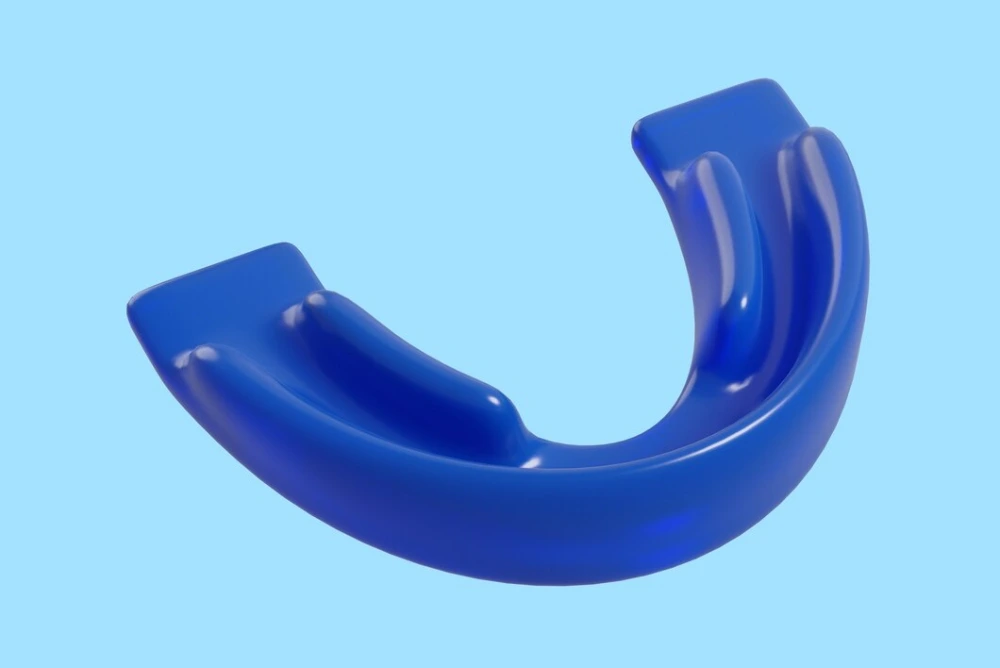
You should generally replace your night guard every one to five years, depending on the material and how much wear it endures. Because these devices protect your teeth from the heavy pressure of grinding, the material eventually thins out or develops small cracks. Checking the fit and condition of your appliance with a professional ensures you are still getting the protection you need to prevent tooth damage and jaw pain.
If you are wondering, “How often should I replace my night guard?,” read the whole blog to know.
Recognizing the Signs of Wear and Tear
A night guard acts as a sacrificial barrier between your upper and lower teeth. Over time, the constant friction causes the plastic to break down.
If you notice that the surface feels rough or looks discoloured, look for mouth guards near you to get a fresh assessment. Even the strongest materials cannot last forever against the force of a human jaw.
Small holes or “pitting” on the surface are clear indicators that the guard is reaching the end of its life. If the device feels loose or no longer snaps securely onto your teeth, it can actually do more harm than good by shifting your bite. A dentist in Airdrie can evaluate if the internal structure of the guard is still strong enough to absorb the shock of nighttime grinding.
Factors That Affect Longevity
Not all oral appliances are created equal. The lifespan of your device depends heavily on the severity of your “bruxism,” which is the medical term for teeth grinding. Someone who grinds their teeth every single night with high intensity will need a replacement much sooner than someone who only clenches occasionally during times of high stress.
| Guard Type | Average Lifespan | Best For |
|---|---|---|
| Soft Resin | 6 months – 2 years | Light clenching and comfort |
| Hard Acrylic | 3 – 5 years | Heavy grinding and long-term use |
| Dual Laminate | 2 – 4 years | Moderate grinding with soft interior comfort |
Hygiene also plays a massive role in how long these tools last. Saliva contains minerals that can build up on the guard, making it brittle over time. To extend the life of your appliance, consult with a dentist near you about the best cleaning solutions that won’t degrade the specific material of your guard.
Why Regular Professional Checks Matter
During your routine cleaning, you should always bring your appliance with you. The dental team can professionally clean the guard and check it for structural weaknesses that are invisible to the naked eye. Sometimes a guard looks fine, but the material has become “fatigued,” meaning it could snap or fail when you need it most.
Replacing your guard is much more affordable than repairing a cracked tooth or a broken crown. If a guard wears too thin, your teeth may start to make contact through the plastic. This defeats the purpose of the device and can lead to morning headaches or a sore jaw. Keeping your appliance in top shape is a vital part of your overall health routine.
Protecting Your Smile for the Future
A night guard is an investment in the longevity of your natural teeth. By staying mindful of how the device fits and looks, you can ensure your jaw remains relaxed and your enamel stays thick. Regular maintenance and timely replacements prevent the painful side effects of grinding and keep your smile looking its best for years to come.
The dedicated team at Kings Pointe Dental Centre is here to help you achieve a restful and pain-free night’s sleep. We take the time to ensure your oral appliances are performing perfectly and fitting comfortably. Our goal is to provide supportive care that addresses your unique needs in a professional and friendly environment.
If you feel your current guard isn’t performing as it should, we encourage you to reach out to us to explore your options.
Frequently Asked Questions
What happens if I keep wearing an old night guard?
An old guard can harbor bacteria in tiny cracks, leading to gum irritation or bad breath. Additionally, if the guard has thinned out, it won’t properly distribute the pressure of your bite, which can lead to tooth sensitivity or even damage to your jaw joints.
Why did my night guard turn yellow?
Discoloration is usually caused by the absorption of bacteria and plaque from your mouth. While some staining is normal over time, deep yellowing or a white “calcium” buildup often means the material is porous and needs to be replaced for hygiene reasons.
Can I use a store-bought guard instead?
Store-bought “boil and bite” guards are often bulky and don’t fit perfectly. This can cause your teeth to shift or make it difficult to breathe comfortably. Custom-made guards are designed to fit your exact tooth shape for better protection and comfort.
How should I clean my guard to make it last?
Rinse it with cool water every morning and brush it gently with a soft toothbrush. Avoid using hot water, as it can warp the plastic. Store it in a ventilated case to prevent mould and bacteria from growing while it’s not in use.