
Many people feel relieved when their root canal is finished. The pain that brought them to the dentist is gone. But how to protect a tooth after a root canal is just as important as the treatment itself. The days and weeks after your procedure directly affect how well your tooth heals and how long it lasts.
Good aftercare is simple. You just need to know what to do and what to avoid.
What Has Just Happened Inside Your Tooth?
Before diving into aftercare, it helps to understand what a root canal actually does.
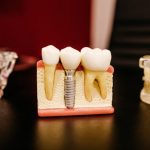
All teeth have a softer layer within them, which is called the pulp. The pulp has nerves and blood vessels within it. When this becomes infected or inflamed, it results in an extreme amount of pain. With a root canal, the dentist takes out the infected pulp, cleans up the inside of the tooth carefully, and then seals it up.
The tooth is no longer infected. However, it has become a far weaker and more brittle tooth. Once the pulp is removed, it no longer gets nutrients from inside the tooth itself.
That is why aftercare matters so much.
If you are looking for root canal therapy near you, finding a dental team that also provides clear aftercare guidance is an important part of choosing the right provider.
Is Pain Normal After Root Canal Treatment?
This is one of the most common questions patients ask. The answer is yes — some discomfort after a root canal is completely normal.
Here is what to expect in the first few days:
- Mild to moderate soreness around the treated tooth
- Sensitivity when biting down
- Slight tenderness in the gum tissue around the tooth
- A feeling that the tooth is slightly raised or different when you bite
This happens because the tissue around the root tip, outside the tooth, was disturbed during the procedure. It needs time to calm down and heal.
For most people, this discomfort lasts 2 to 3 days. Some sensitivity may linger for up to a week.
Day-by-Day: What to Expect After Treatment
|
Day |
What You May Feel |
What to Do |
|
Day 1 |
Numbness is wearing off, and mild soreness begins |
Rest, take pain relief as directed, and eat soft foods |
|
Day 2 to 3 |
Soreness peaks, some sensitivity when biting |
Continue soft diet; avoid chewing on the treated side |
|
Day 4 to 5 |
Discomfort begins to ease |
Resume gentle normal eating on the other side |
|
Day 6 to 7 |
Most soreness is gone for many patients |
Monitor for any unusual symptoms |
|
Week 2 onwards |
The tooth feels mostly normal |
Attend the crown appointment if scheduled |
How to Manage Pain and Discomfort at Home
Managing discomfort after a root canal does not require anything complicated. Simple steps go a long way.
Take Pain Relief as Directed
Post-procedure tenderness can usually be treated effectively with over-the-counter medications such as ibuprofen or acetaminophen. Be sure to follow the directions on the packaging. If your dentist has prescribed medication, please follow their specific instructions.
Do not wait until the pain is severe before taking pain relief. Taking it on schedule in the first day or two helps keep discomfort manageable.
Eat Soft Foods for the First Few Days
Your tooth is sensitive, and the temporary filling or crown placed after the procedure needs time to settle. Stick to soft foods that require minimal chewing effort.
Good choices include:
- Yogurt and smoothies
- Mashed potatoes and soft vegetables
- Scrambled eggs
- Soup that is not too hot
- Soft pasta or rice
Avoid hard, crunchy, chewy, or very hot foods for at least the first few days.
Avoid Chewing on the treated side.
Even when you start eating normally, try to chew on the opposite side of your mouth until your permanent crown is placed. The treated tooth is vulnerable to cracking without a crown protecting it.
How to Protect a Tooth After Root Canal—The Bigger Picture
Short-term care gets you through the first week. But the real protection comes from what happens next.
Get Your Crown Placed Promptly
This is the single most important step after a root canal. A crown covers the entire tooth, protects it from cracking, and restores its full chewing strength.
A tooth that has had a root canal but no crown is like a house without a roof. It is functional for a while, but it is exposed and vulnerable.
Most dentists recommend getting the crown placed within a few weeks of the root canal. Do not delay this appointment.
A dental clinic in Airdrie can schedule your crown placement and monitor your healing during this period. Staying on schedule with your appointments makes a significant difference in the long-term success of your treatment.
Keep Up With Oral Hygiene
Brush the areas surrounding the tooth. Slide the floss gently without snapping it against the gum. It is practical to use a soft-bristled toothbrush so the surrounding gum area doesn’t get aggravated during healing.
Good oral hygiene prevents new infections from forming in the mouth and keeps the treated tooth’s environment healthy.
Avoid Hard and Crunchy Foods Long-Term
Even after the crown is placed, some habits are worth maintaining. Avoid chewing on very hard things like ice, hard sweets, or tough nuts with your crowned tooth. Crowns are strong, but they are not indestructible.
Warning Signs That Something Is Not Right
Most root canal recoveries go smoothly. But there are certain signs that mean you should contact your dentist promptly.
Reach out to a dental clinic near you if you notice:
- Pain that gets worse after the third day instead of improving
- Swelling in the gum, cheek, or jaw that is growing
- A fever developing after the procedure
- The temporary filling falling out or feeling loose
- Visible pus or discharge near the tooth
- A return of the original severe pain
These signs do not necessarily mean something serious has gone wrong, but they do need professional assessment. Early attention to any concern leads to faster resolution.
Long-Term Care for a Root Canal-Treated Tooth
A tooth that has had a root canal can last for many years, sometimes decades, with the right care. Here is how to give it the best chance:
- Brush twice a day with a fluoride toothpaste
- Floss once daily, including around the crowned tooth
- Visit your dentist every six months for check-ups and professional cleanings
- Avoid using your teeth as tools to open packages or bottles
- Wear a night guard if you grind your teeth—grinding puts excessive force on crowned teeth
Your treated tooth cannot get a new cavity inside, but the root and surrounding gum can still be affected by gum disease and decay at the margins of the crown. Regular care keeps everything in good shape.
Your Root Canal Was a Second Chance for Your Tooth
A root canal saved your tooth from extraction. That is not a small thing. With proper aftercare and a well-fitted crown, that tooth can serve you well for many years to come.
The effort you put into recovery, the soft diet, the timely crown placement, and the regular check-ups directly determine how long your treated tooth stays healthy and functional.
Healing Well Starts With the Right Support
Recovery after a root canal is manageable when you know what to do and have a dental team you can count on.
At Kingspointe Dental Centre, every patient receives clear, personalized aftercare guidance to make recovery as smooth and comfortable as possible. Whether you have just completed a root canal or have questions about protecting your tooth going forward, reach out to Kingspointe Dental Centre today. Your tooth deserves the best possible care — and so do you.
Frequently Asked Questions
Q1. How long should I wait before eating after a root canal?
Wait until the anesthesia has fully worn off before eating—usually 2 to 4 hours. This prevents you from accidentally biting your cheek or tongue without feeling it.
Q2. Can the tooth become infected again after root canal treatment?
It is unusual, but it is possible. This occurs if the seal breaks down and infection occurs around the tooth through the gum. It will be apparent at routine dental visits.
Q3. Do I really need a crown after every root canal?
In most cases, yes. A crown protects the brittle tooth from cracking under normal chewing pressure and significantly extends the life of the treated tooth.
Q4. How long will it take for a tooth following root canal treatment to return to its normal state?
Most people would feel ‘back to normal’ within one week. Some mild discomfort may continue for some weeks if the infection was previously high.