Have you been thinking about replacing missing teeth but feel unsure which denture option suits your needs? Dentures in Airdrie come in several types, each with different features, benefits, and care needs. The right choice depends on how many teeth are missing, the condition of the gums and jawbone, comfort preferences, budget, and long-term goals. Understanding the main denture choices can make it easier to compare your options and decide which type may work best for your smile and daily routine.
What Types of Dentures are Available?
Dentures can replace missing teeth and make eating and speaking easier. Common types include:
- Full dentures: Replace all teeth in the upper or lower jaw.
- Partial dentures: Replace some missing teeth while keeping natural teeth.
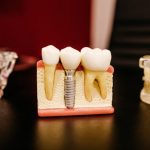
- Implant-supported dentures: Use implants for added support and stability.
- Immediate dentures are placed soon after teeth are removed and can be used while your mouth heals.
The right type depends on your oral health and the number of teeth to be replaced.
Which Denture is Best for Missing Teeth?
Dentures in Airdrie can be made to fit your needs based on how many teeth are missing. Partial dentures may work when only a few teeth are missing, while full dentures may be used when all teeth in an arch are gone.
If you want more support, implant-supported dentures may be an option. They are held in place by dental implants and may move less than regular removable dentures.
A dental assessment is needed to determine which option matches the condition of the teeth, gums, and supporting bone.
When are Partial Dentures Better?
Partial dentures may be considered when some natural teeth remain. They fill the spaces created by missing teeth while using the remaining teeth for support.
Depending on the design, partial dentures may help:
- Restore chewing ability
- Improve speech
- Prevent remaining teeth from shifting into open spaces.
- Support a more complete smile.
- Replace several missing teeth with one appliance.
The design depends on the location of the missing teeth and the health of the remaining teeth.
Are Implant-Supported Dentures More Stable?
Implant-supported dentures are held in place by dental implants that are placed in the jaw. This can provide more stability than traditional removable dentures.
Possible benefits include:
- Less movement while eating or speaking
- Improved stability
- Better chewing support for some patients
- Reduced need for denture adhesive
- A more secure feeling during daily activities
However, implant-supported dentures require surgery and suitable bone support. The treatment may also involve a longer process and higher costs than traditional dentures.
What are the Easiest Dentures to Wear?
The answer depends on individual needs and comfort. Traditional dentures can be removed easily for cleaning, while implant-supported options may feel more secure during eating and speaking.
Often, the most comfortable option is the one that fits properly and meets the mouth’s needs. A poorly fitting denture can cause rubbing, soreness, or difficulty eating, regardless of the type.
A well-fitted denture should feel comfortable and allow normal daily activities with minimal difficulty.
What Type of Dentures Last the Longest?
How long dentures last depends on the material, daily use, cleaning, fit, and changes in your mouth. With good care, dentures can last for years but may need repairs or replacement over time.
To help your dentures last longer:
- Clean them regularly
- Handle them carefully
- Store them properly
- Visit a dental clinic near you for checkups.
- Fix any fit problems.
- Keep your gums and remaining teeth healthy.
Implant-supported dentures can offer good stability, but the denture part may still wear out and need repair or replacement.
How Do You Choose the Right Denture?
Choosing a denture involves more than comparing appearance or price. A dental clinic in Airdrie can assess the condition of the mouth and discuss the available choices.
Important factors to consider include:
The right denture option depends on your needs. Consider:
- Number of missing teeth: Full and partial dentures are used for different needs.
- Remaining teeth: Their health can affect your denture choices.
- Jawbone health: This may determine if implants are suitable.
- Comfort and stability: You can choose between removable or more secure options.
- Budget: Costs depend on the type of dentures you choose.
- Daily care: Choose an option that is easy to clean and maintain.
The goal is to find dentures that support your comfort, chewing, smile, and oral health.
Find the Denture Option That Fits Your Needs!
Choosing the right denture can make a difference in comfort, chewing, speech, and confidence. Take the time to discuss your needs, lifestyle, oral health, and long-term goals with a dental professional before making a decision. Kings Pointe Dental Centre can assess your smile and explain suitable tooth replacement options tailored to your individual needs.
Book an appointment to learn about your denture options and find a comfortable way to replace missing teeth.
FAQs
Can partial dentures replace several missing teeth?
Yes. Partial dentures can replace several missing teeth while keeping your natural teeth. They can fill gaps and make chewing and speaking easier.
Are implant-supported dentures better than regular dentures?
They may offer more stability and less movement. However, they are not right for everyone. A dentist can check if they are suitable for you.
How long do dentures usually last?
Dentures can last for several years with good care. They may need adjustments or replacement as your mouth changes over time.
Can dentures improve speech?
Yes. Dentures may help improve speech, but it can take time to get used to them. Practicing speaking can help you adjust.