Having unexplained pain in the jaw, or waking up with a sore mouth? A dentist in Airdrie can help determine if these problems are a sign of bruxism that is developing. More people than you think clench and grind their teeth while sleeping, a condition called bruxism. The sooner you catch the condition, the better, as it may cause permanent damage to your teeth, gums, and jaw.
If symptoms are mild, acting early can help. Your dentist might suggest a night guard, stress relief, or other treatments. Watching for signs helps keep your smile and teeth healthy.
Common Early Signs of Bruxism
Teeth grinding (bruxism) may not hurt at first, but early signs can appear. Look out for these:
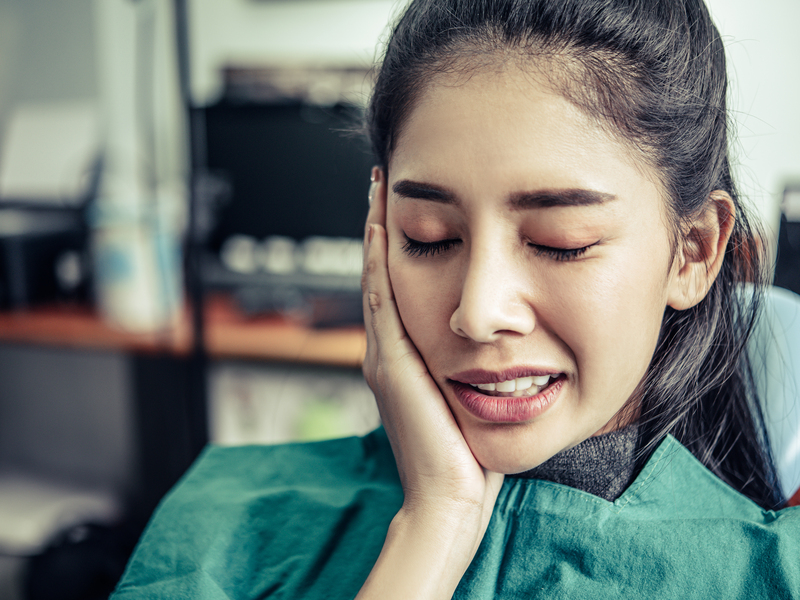
- Jaw soreness or tightness: Your jaw feels stiff or sore, especially when you wake up
- Frequent headaches: Headaches in the temples can happen from grinding at night
- Tooth sensitivity: Grinding can wear down enamel, making teeth hurt from hot, cold, or sweet foods
- Chipped or flattened teeth: Small chips or worn-down teeth may show that you grind or clench a lot
- Ear pain or ringing: TMJ strain from grinding can affect the ears and surrounding areas.
For those looking for reliable treatment options, connecting with a professional who provides bruxism near you is the first step to addressing these concerns effectively.
Why Early Detection Matters
Finding teeth grinding (bruxism) early lets your dentist give treatments to prevent serious damage. If not treated, grinding can cause:
- Worn tooth enamel
- Cracked or chipped teeth
- Gum recession
- Jaw joint (TMJ) disorders
- Chronic headaches
A proactive approach ensures that treatment is less invasive and more effective. Regular checkups with a dentist near you provide the opportunity to spot subtle changes before they become serious problems.
How Dentists Diagnose Bruxism
Dentists have different ways to check for early teeth grinding (bruxism):
- Look at your teeth: Check for wear, cracks, or chips.
- Check jaw movement: See how your jaw moves, and if the muscles feel tight.
- Ask questions: About headaches, jaw pain, or grinding at night.
- Dental images: X-rays or scans to look at your enamel and jawbone
Early diagnosis helps create a personalized treatment plan tailored to the patient’s specific symptoms and lifestyle.
Treatment Options for Bruxism
Once teeth grinding (bruxism) is noticed, it can be treated with simple steps:
- Custom night guards: Protect your teeth from grinding while you sleep
- Stress relief: Meditation, exercise, or therapy can help relax your jaw
- Dental adjustments: Fixing bite problems reduces pressure on teeth
- Jaw exercises: Physical therapy can make jaw muscles stronger and help TMJ
- Medication: In serious cases, muscle relaxants or anti-inflammatory medicine may be used
Visiting a dentist ensures that the treatment plan is customized for your oral health needs and comfort.
Lifestyle Changes to Prevent Bruxism
Patients can take proactive steps at home to reduce bruxism symptoms:
- Avoid chewing gum excessively.
- Limit caffeine and alcohol intake.
- Practice jaw relaxation exercises
- Maintain consistent sleep schedules.
- Use stress management techniques daily.
These simple changes, combined with professional care, can significantly reduce the severity of teeth grinding and prevent long-term complications.
Bruxism in Children and Adults
Teeth grinding (bruxism) can happen in children, too, not just adults. Signs in kids may include:
- Hearing grinding noises while they sleep
- Baby teeth that look worn down
- Complaints of jaw or ear discomfort
Both children and adults benefit from early evaluation by a dentist in Airdrie, ensuring protective measures like night guards are implemented before dental damage occurs.
Take Action Early for a Healthy Smile!
Noticing early signs of teeth grinding (bruxism) helps prevent damage to your teeth and jaw pain. With the right care, protective treatments, and healthy habits, you can keep your teeth strong and your jaw comfortable.
At Kings Pointe Dental Centre, patients get expert care and personalized plans to find, treat, and prevent bruxism. Book a consultation today to protect your teeth and your smile.
FAQs
How do I know if I grind my teeth at night?
Signs include waking up with a sore jaw, headaches, or teeth that look worn down. A dentist can check and confirm if you grind your teeth while sleeping.
Can stress cause bruxism?
Yes, stress and anxiety are common triggers, but genetics and bite misalignment can also play a role.
Are night guards uncomfortable?
Custom-fitted night guards are designed for comfort and to protect teeth while sleeping. They are usually easy to adjust to.
Can bruxism lead to tooth loss?
If left untreated over time, severe grinding can cause enamel wear, fractures, and gum issues that may contribute to tooth loss.