
Missing a tooth is more than just a cosmetic concern; it can fundamentally change how you speak, eat, and feel about your social interactions.
For many patients, dental implants in Airdrie have become the gold standard for restoring both the function and the aesthetics of a natural smile.
Unlike removable options, implants offer a permanent solution that mimics the structure of an original tooth from the root up.
Whether you have lost a tooth due to injury, decay, or age, understanding the mechanics of this modern restorative treatment is the first step toward regaining your confidence and oral health.
Are You A Candidate For Tooth Replacement Surgery?
Determining who is an ideal candidate for this procedure involves a thorough assessment of oral and systemic health.
When you visit a dental clinic in Airdrie, the team will evaluate several factors to ensure a successful outcome. Generally, you may be a candidate if you:
- Have one or more missing teeth: Implants can replace a single tooth, multiple teeth, or even support a complete set of dentures.
- Possess adequate bone density: The jawbone must be strong enough to securely anchor the implant post.
- Have healthy oral tissues: Gum disease must be treated before surgery to prevent infection.
- Are in good overall health: Conditions like uncontrolled diabetes or heavy smoking can slow the healing process, so a complete medical history is essential.
How Does The Implant Process Work From Start To Finish?
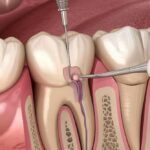
A dental implant is a small titanium post that acts as an artificial tooth root. Finding a dental clinic near you that specializes in this multi-stage process ensures that each phase is handled with precision.
First, the titanium post is surgically placed into the jawbone. Over the next few months, a biological marvel called osseointegration occurs, where the bone actually fuses to the post.
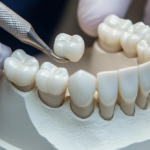
Once stable, an abutment (a small connector) is attached, followed by a custom-made crown that matches your natural teeth. This three-part system provides a level of stability that traditional bridges cannot match.
What are the long-term benefits of choosing implants?
Beyond filling a gap in your smile, this technology offers long-term wellness benefits. If you are considering dental implants, it is worth noting that they are the only restorative option that preserves the jawbone.
When a tooth is lost, the bone underneath begins to deteriorate from lack of stimulation; an implant provides that necessary pressure, preventing facial sagging and “bone resorption.”
Furthermore, implants do not require the “shaving down” of adjacent healthy teeth, as is familiar with traditional bridges, thereby preserving more of your natural tooth structure.
What Should You Expect During The Recovery Phase?
Recovery is a gradual process that requires patience but yields lifelong results. Immediately after surgery, it is normal to experience minor swelling or tenderness at the surgical site.
Most patients find they can return to their routine within a few days, provided they stick to soft foods and maintain excellent hygiene. During osseointegration, you will have periodic check-ups with a dentist to monitor the post’s fusion.
Once the final crown is placed, the “new” tooth can be brushed and flossed exactly like a natural one, requiring no special adhesives or soaking solutions.
Is The Investment In Restorative Surgery Worth It?
While the initial cost of implants may be higher than dentures or bridges, their longevity makes them a highly cost-effective choice. Because they are made of biocompatible titanium and high-grade porcelain, they are resistant to decay and can last a lifetime with proper care.
Many patients find that the secondary benefits, such as the ability to eat crunchy foods again and the elimination of “denture slip”, drastically improve their quality of life.
By choosing a permanent solution, you are investing in a future where you never have to worry about your teeth failing you during a meal or a conversation.
Comparing Tooth Replacement Options
| Feature | Dental Implants | Traditional Bridges | Removable Dentures |
|---|---|---|---|
| Longevity | 25+ years (Lifetime) | 7–15 years | 5–10 years |
| Bone Health | Prevents bone loss | No effect on bone | Can accelerate bone loss |
| Maintenance | Normal brushing/flossing | Specialized flossing | Daily removal/soaking |
| Stability | High (fused to bone) | Moderate | Variable (may slip) |
Restoring Your Smile and Confidence
Replacing missing teeth is an essential step toward better health and renewed confidence. With today’s restorative options, achieving a natural-looking, fully functional smile is easier than ever.
At Kings Pointe Dental, we provide personalized, compassionate care to guide you through every step of the restoration process. If you’re ready to explore your options for a healthier, complete smile, contact us today to schedule a consultation.
Find our dental clinic quickly on Google Maps and get directions in just one click. 📍
FAQs
1. Does the dental implant procedure hurt?
Patients are typically given local anesthesia or sedation during the surgery to ensure they feel no pain; post-operative discomfort is usually manageable with standard over-the-counter relief.
2. How long does the entire process take?
From the initial post placement to the final crown fitting, the process usually takes 3 to 6 months to allow the jawbone sufficient time to heal and fuse.
3. Can smokers get dental implants?
Yes, but smoking significantly increases the risk of implant failure by restricting blood flow to the gums, so patients are strongly encouraged to quit before the procedure.
4. What happens if I don’t have enough jawbone?
If your jawbone is too thin or soft, a bone graft can be performed before implant surgery to create a stronger foundation for the post.