Have you ever wondered why some people have caps on their teeth? Those aren’t just regular caps—they’re called dental crowns, and they help save damaged teeth. Let’s talk about what they are and when you might need one.
What Is a Dental Crown?
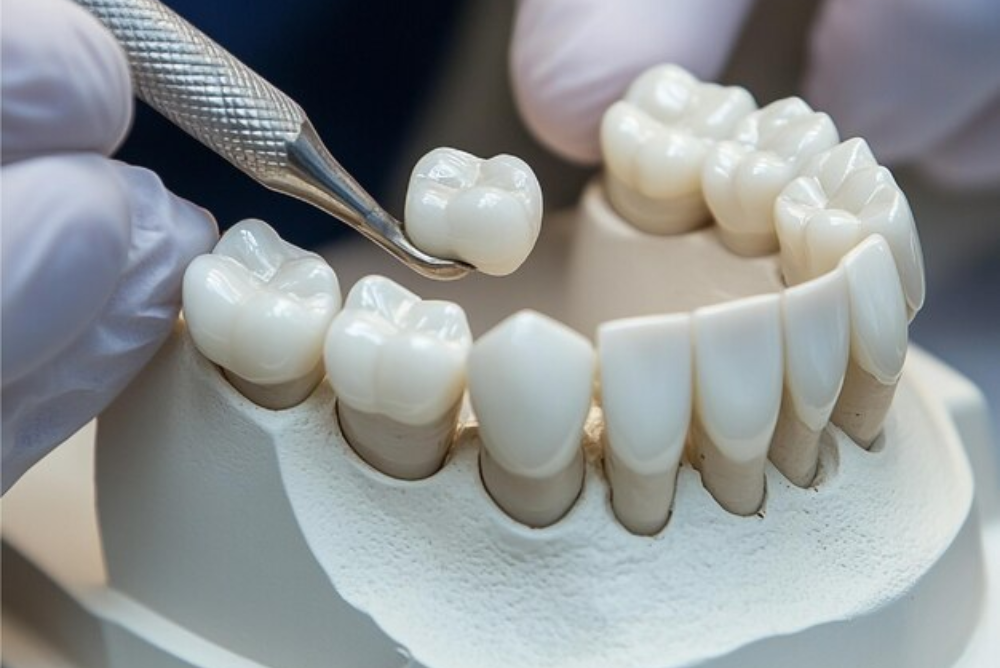
A dental crown is a cap that fits over your natural tooth. It covers the tooth completely and helps protect it. Dentists use crowns to restore the shape, strength, and function of a tooth. Once placed, it lets you chew, speak, and smile normally again.
Common Reasons You Might Need a Crown
When do you need a dental crown? Here are the most common situations:
After a Root Canal Treatment
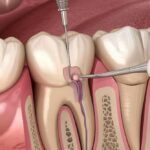
When you get a root canal, your dentist removes the infected pulp inside your tooth. This makes the tooth weaker. A crown protects it from breaking when you chew food. Most teeth that have root canals need crowns to stay strong.
Large Cavities or Decay
Sometimes cavities get really big. If more than half of your tooth is damaged by decay, a regular filling won’t work well. The tooth needs extra support, and that’s where crowns come in. They cover the whole tooth and keep it together.
Cracked or Broken Teeth
Accidents happen. Maybe you bit something hard, or you fell and chipped your tooth. If the crack is deep or the break is big, your dentist near you might recommend a crown. It holds all the pieces together and stops the crack from getting worse.
Severely Worn Down Teeth
Some people grind their teeth at night without even knowing it. This grinding wears down the tooth enamel over time. When teeth get too short or flat, crowns can rebuild them to their normal size and shape.
Cosmetic Improvements
Not all crowns are about fixing damage. Sometimes people get crowns to improve how their teeth look. If you have teeth that are badly discoloured or oddly shaped, crowns can make them look better.
How Do You Know If You Need a Crown?
You might not always know you need a crown until you visit your dentist. But here are some signs to watch for:
- Your tooth hurts when you bite down
- You can see visible cracks or chips
- An old filling keeps falling out
- Your tooth feels sensitive to hot or cold foods
- There’s a dark spot that won’t go away
If you notice any of these problems, you should visit a dental clinic near you as soon as possible. The sooner you get help, the better chance you have of saving your tooth.
The Crown Procedure: What Happens?
Getting a crown usually takes two visits to your dentist. Here’s what typically happens:
First Visit:
Your dentist numbs your tooth so you won’t feel anything. Then they reshape the tooth to make room for the crown. They take an impression (like a mould) of your tooth and send it to a lab. You’ll get a temporary crown to wear while the permanent one is being made.
Second Visit:
After about two weeks, your permanent crown is ready. The dentist removes the temporary crown, checks if the new one fits perfectly, and then cements it in place. It might feel a little strange at first, but you’ll get used to it quickly.
Finding the Right Dental Care
If you think you might need a crown, start by searching for “dental crowns near you” or “dental clinic”. Not all dental problems need crowns, so a professional exam is important. Your dentist will take X-rays, check your teeth, and explain all your options.
Remember, dental crowns aren’t scary. They’re actually one of the best ways to save a tooth that’s in trouble. Many people have them and continue eating, smiling, and living normally.
Fix Damaged Teeth Using Dental Crowns!
At Kings Pointe Dental, we help fix damaged teeth using dental crowns. A dental crown covers and protects a weak or broken tooth. It restores strength, shape and normal biting. Our dentist checks your teeth carefully and explains every step. We use quality materials for long-lasting results. Crowns help prevent pain, further decay and tooth loss over time for patients. Call Kings Pointe Dental today.
FAQ
How much does a dental crown cost?
The cost varies depending on the material used and where you live. Metal crowns are usually less expensive than porcelain ones. Many dental insurance plans cover part of the cost. Ask your dental clinic about payment options.
What’s the difference between a crown and a filling?
Fillings repair small cavities and only cover part of the tooth. Crowns cover the entire visible part of the tooth and are used when the damage is too big for a filling to fix properly.
Can a crowned tooth still get cavities?
The crown itself can’t get a cavity, but the natural tooth underneath can still decay where it meets the gum line. That’s why good oral hygiene is still super important even with crowns.